
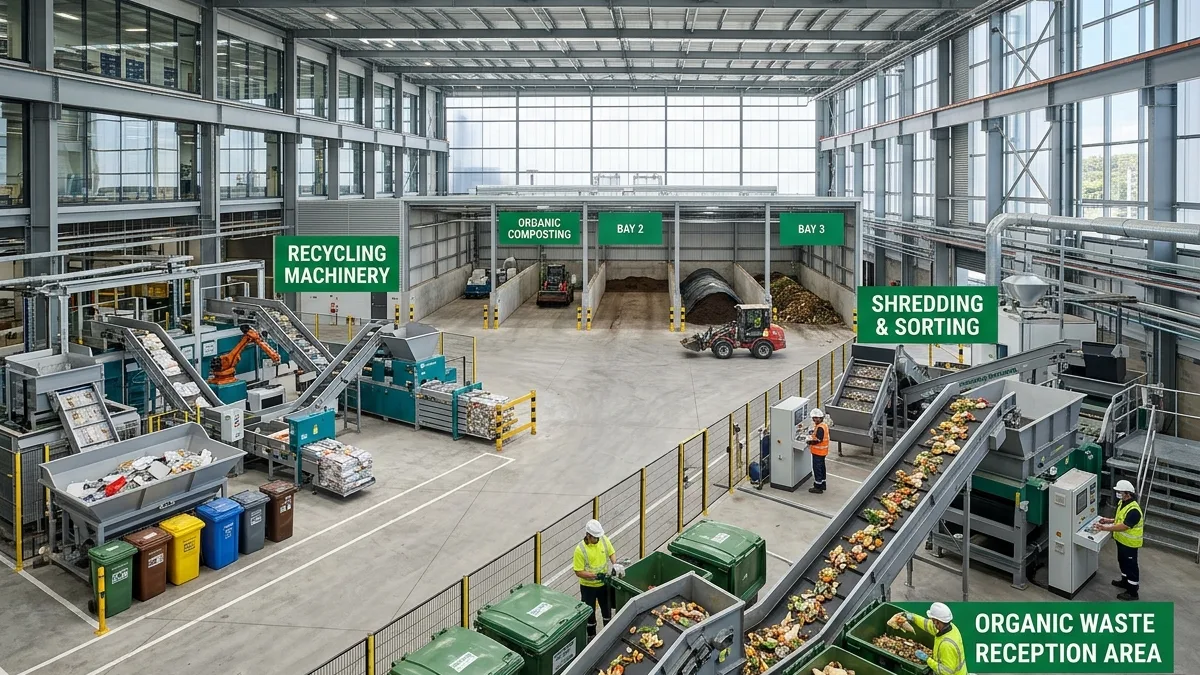
India is the world’s second-largest producer of sugarcane, with hundreds of industrial sugar mills crushing cane across Uttar Pradesh, Maharashtra, Karnataka, and Bihar. Press mud—also termed filter cake—is the soft, spongy residue separated during cane juice clarification. Traditionally dumped as low-value field conditioning, press mud is one of the most energetically dense and commercially lucrative organic feedstocks available for Compressed Biogas (CBG) production in India.
Operating under the engineering leadership of AMVATS ENGINEERING & TECHNOLOGIES, Amvats CBG provides turnkey Bio-CNG solutions tailored specifically for the sugar industry, integrating raw filter cake biomethanation, wax conditioning, and continuous off-season digester operations.
Composition and Biochemical Potential of Press Mud
Press mud exhibits physical and chemical properties that make it exceptionally well-suited for high-rate anaerobic digestion:
- Moisture Content: Typically 65% to 75% at fresh discharge from vacuum rotary filters.
- Organic / Volatile Solids: Comprises 65% to 75% of dry solids, including residual sucrose, reducing sugars, hemicellulose, cellulose, and proteins.
- High Biogas Yield: Yields between 85 and 125 $Nm^3$ of raw biogas per metric ton of fresh press mud, translating to 45 to 60 kg of purified vehicular Bio-CNG per ton.
- Sugarcane Wax Challenges: Raw press mud contains 8%–14% cane wax and lipids. If unmanaged, cane wax can solidify at cooler temperatures, causing pipeline clogging and foaming inside digesters.
Process Engineering: Press Mud to Pure Bio-CNG
1. Slurry Preparation and Wax Hydrolysis
Fresh press mud is blended with heated recycled liquid digestate or condensate water in heavy-duty high-shear mixing tanks, bringing total solids to an optimal 10%–12%. Operating mixing tanks under warm hydrolytic conditions (45°C–55°C) melts and emulsifies sugarcane waxes, preventing clumping and preparing complex fatty acids for microbial digestion.
2. Multi-Stage Continuous Stirred-Tank Digesters
The conditioned slurry is fed continuously into primary and secondary CSTR digesters. Utilizing dual-stage digestion ensures that rapid acid-forming reactions in stage one do not depress pH in stage two, allowing methanogenic archaea to operate at peak efficiency. Agitation is provided by heavy-duty low-speed central paddle agitators engineered to handle viscous biomass slurries.
3. Biogas Purification & Enrichment
Biogas generated from press mud typically contains 56%–60% methane and high concentrations of hydrogen sulfide ($H_2S$ up to 4,000 ppm) due to sulfur compounds used in sugar juice sulfitation. High-efficiency chemical scrubbing and bio-trickling filters scrub out sulfur compounds before modern polymeric membrane systems concentrate methane to >96% purity.
| Crushing Capacity (TCD) | Daily Press Mud Output (TPD) | Estimated CBG Generation (Kg/Day) | Daily Solid FOM Bio-Fertilizer (TPD) |
|---|---|---|---|
| 2,500 TCD | 80 – 100 TPD | 4,000 – 5,500 kg | 25 – 35 TPD |
| 5,000 TCD | 160 – 200 TPD | 8,500 – 11,000 kg | 50 – 70 TPD |
| 10,000 TCD | 320 – 400 TPD | 17,000 – 22,000 kg | 100 – 140 TPD |
Overcoming the Seasonality Barrier: Year-Round Operations
A critical engineering constraint of sugar mill projects is that cane crushing lasts only 120 to 160 days annually. To ensure a 330-day operating year and justify the capital investment of a CBG plant, Amvats CBG implements proven off-season operational strategies:
- Press Mud Ensiling: High-density anaerobic compaction in silage bunkers with specialized acidifying inoculants preserves press mud for 6–8 months with less than 5% loss in biomethane potential.
- Multi-Substrate Co-Digestion: Transitioning feedstocks during the off-season to bagasse, cane trash, paddy straw, or dedicated energy crops like Napier grass maintains continuous gas production.
- Distillery Stillage Blending: For mills with integrated distilleries, blending concentrated spent wash with preserved press mud balances C:N ratios and stabilizes off-season digestion.
Turn Sugar Mill Filter Cake into Profitable Bio-CNG
Amvats CBG designs, engineers, and executes high-efficiency press mud biomethanation plants for sugar mills across Bihar, UP, and India.