
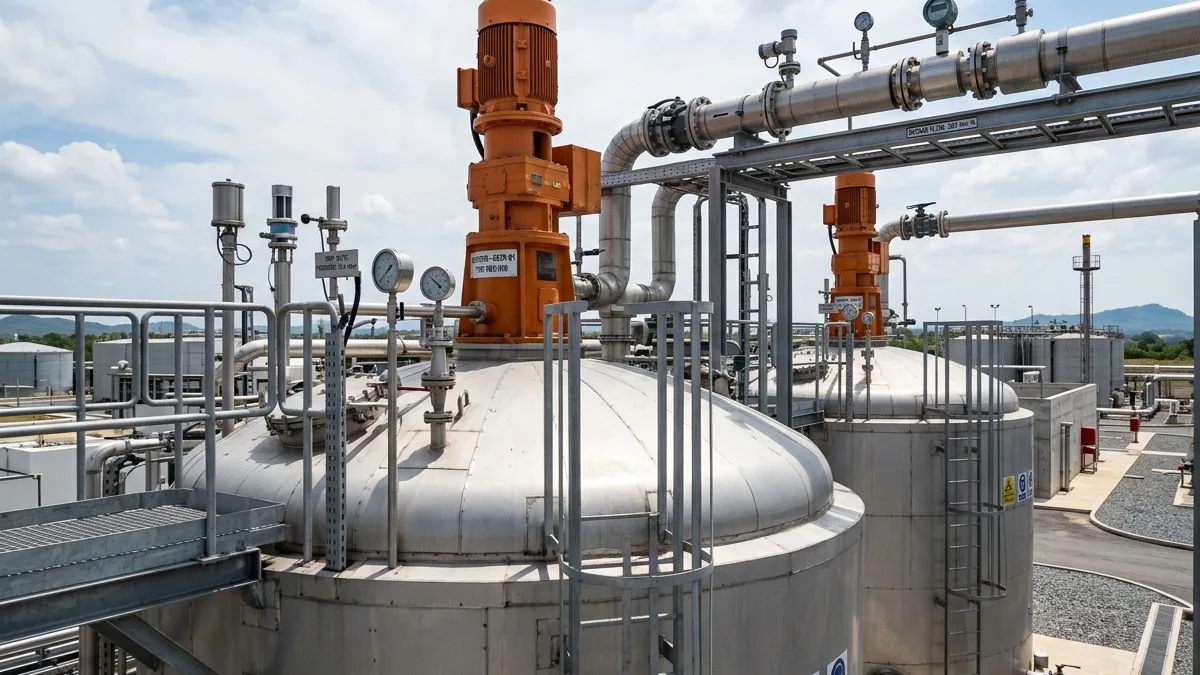
Municipalities and industrial processors face an urgent imperative to transition away from polluting disposal methods toward clean circular energy recovery. While thermal waste incineration is widely deployed in arid regions, tropical and Indian waste streams are characterized by high moisture content (60%–80%) and substantial organic fractions. For high-moisture organic wastes, biological Anaerobic Digestion (AD) represents the most energetically efficient, carbon-negative, and economically viable Waste-to-Energy (WTE) pathway available.
Operating as the specialized clean energy vertical of AMVATS ENGINEERING & TECHNOLOGIES, Amvats CBG engineers industrial anaerobic waste-to-energy facilities that convert putrescible waste into vehicular fuel and certified organic fertilizer.
Why Anaerobic Digestion Outperforms Incineration for Organic Waste
Thermal waste-to-energy technologies (incineration and gasification) require dry feedstocks with high calorific values. Attempting to burn high-moisture Indian organic waste requires auxiliary fossil fuel consumption simply to evaporate water, resulting in low net energy yields and toxic dioxin emissions.
| Evaluation Parameter | Anaerobic Digestion (Biomethanation) | Thermal Incineration (Mass Burn) |
|---|---|---|
| Moisture Suitability | Ideal for 70% – 90% moisture content | Requires <30% moisture; wet waste causes incomplete burn |
| Net Energy Efficiency | 65% – 75% chemical energy recovery into CH₄ | Low efficiency (<20%) when burning high-moisture waste |
| Environmental Emissions | Enclosed biological process; zero toxic flue gases | Flue gases require expensive scrubbing for fly ash and dioxins |
| Secondary By-Product | Valuable Fermented Organic Manure (FOM) | Hazardous bottom ash and fly ash requiring landfill disposal |
| Carbon Accounting | Carbon-negative; captures fugitive landfill methane | Emits fossil and biogenic carbon directly into the atmosphere |
Industrial Applications of Anaerobic Waste-to-Energy
Anaerobic biomethanation delivers tremendous value across diverse industrial sectors:
1. Food & Beverage Processing
Breweries, dairies, starch manufacturing facilities, and food canning plants produce concentrated organic effluents with high Chemical Oxygen Demand (COD > 30,000 mg/L). Anaerobic reactors (such as UASB or EGSB systems) digest soluble organics, generating captive biogas that offsets 40%–80% of factory boiler fuel costs.
2. Municipal Solid Waste (OFMSW)
City municipal corporations process segregated household wet waste and commercial vegetable market refuse through centralized biomethanation plants. Converting 100 metric tons of wet municipal waste daily yields over 4,500 kg of purified Bio-CNG, sufficient to power a city fleet of over 200 public transport buses.
3. Agro-Industrial Effluents
Sugar mill spent wash and palm oil mill effluents (POME) represent massive environmental liabilities if untreated. Anaerobic biomethanation eliminates up to 90% of biological oxygen demand while producing massive volumes of renewable fuel.
Key Financial Drivers of Anaerobic WTE Projects
Modern waste-to-energy plants thrive on diversified, multi-stream revenue architectures:
- Gate Fees / Tipping Fees: Municipalities pay tipping fees (₹500 to ₹1,500 per ton) to private developers for processing organic waste, providing a guaranteed operational revenue floor.
- Bio-CNG Offtake: Long-term commercial fuel purchase agreements signed with public sector oil companies under the SATAT scheme.
- FOM Fertilizer Sales: Monetizing nutrient-rich digestate as certified organic fertilizer for regional agricultural cooperatives.
- Carbon Offset Credits: Generating verified carbon units (VCUs) under international carbon registries by directly abating open landfill methane emissions.
Deploy Sustainable Waste-to-Energy Systems
Amvats CBG provides turnkey engineering from waste characterization and automated segregation to CSTR digestion and membrane upgrading.